

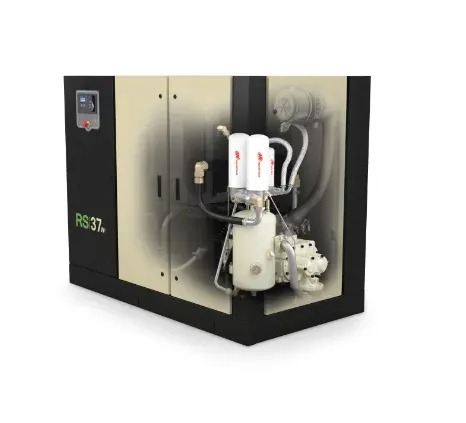
A Professional Industrial Guide by Biaofang
Understanding the Basics of Rotary Screw Technology
In the modern industrial landscape, compressed air is often referred to as the fourth utility. Among the various technologies available, oil-flooded screw air compressors stand out as the most reliable and efficient choice for continuous-duty applications. Unlike reciprocating compressors that use pistons, these machines utilize two intermeshing helical rotors to compress air. The term "oil-flooded" refers to the specific method where oil is injected into the compression chamber to serve multiple critical functions. This design is engineered for environments that require a steady, pulse-free stream of high-pressure air, making them indispensable in manufacturing, automotive, and heavy industrial sectors.
The primary reason for the popularity of oil-flooded screw air compressors is their ability to operate 24/7 without the significant wear and tear seen in other designs. By utilizing a rotary motion, these machines minimize vibration and mechanical stress. For companies like Biaofang, providing these systems means ensuring that industrial processes remain uninterrupted. Understanding how these machines function is not just a matter of mechanical curiosity; it is essential for optimizing energy consumption and maintaining long-term operational efficiency. Throughout this guide, we will explore the intricate mechanics, the vital role of lubrication, and the strategic advantages of implementing this technology in your facility.
The Internal Working Process of Screw Compressors
The compression process within oil-flooded screw air compressors begins at the intake valve. As the male and female rotors rotate, they create a vacuum that draws in atmospheric air. This air is then trapped within the "pockets" formed between the rotor lobes. As the rotors continue to turn and mesh together, the volume of these pockets decreases, effectively compressing the air. What makes this specific design unique is the simultaneous injection of oil during this phase. This oil is not just for lubrication; it creates a hydraulic seal between the rotors, preventing air from escaping back toward the intake and significantly increasing the volumetric efficiency of the machine.
Once the air reaches the end of the screw, it is discharged into a primary separation tank. At this stage, the air is a high-pressure mixture of compressed gas and atomized oil. The separation tank uses centrifugal force and high-efficiency filters to strip the oil away from the air. The cleaned, compressed air then passes through an aftercooler to reduce its temperature before entering the plant's piping system. Meanwhile, the separated oil is cooled through a dedicated heat exchanger, filtered, and then recirculated back into the screw air end. This closed-loop system is the heart of the reliability found in oil-flooded screw air compressors, allowing them to manage heat much more effectively than air-cooled piston alternatives.
The Triple Function of Lubrication
It is a common misconception that the oil in these machines is only there to keep parts moving. In reality, the oil in oil-flooded screw air compressors performs three vital roles: cooling, sealing, and lubrication. Compression naturally generates a significant amount of heat. If left unchecked, this heat would damage the rotors and decrease air density. By flooding the chamber with oil, the fluid absorbs the thermal energy of compression directly at the source. This results in a much lower discharge temperature than other compression methods, protecting the integrity of the equipment and the downstream air quality.
Furthermore, the sealing capability of the oil is what allows the rotors to operate without touching one another. In an oil-free screw, the tolerances must be incredibly tight, and the rotors often require special coatings. In an oil-flooded environment, the oil film fills the microscopic gaps between the rotors, acting as a flexible, pressurized seal. Finally, lubrication ensures that the bearings and gears within the air end operate with minimal friction. Because the oil handles the bulk of the thermal and mechanical load, these compressors can achieve lifespans of several decades if the oil is changed and filtered according to the manufacturer's specifications.
Biaofang: Your Partner in Compressed Air Solutions
At Biaofang, we understand that selecting the right compressed air system is a critical business decision. We specialize in the distribution and service of high-performance oil-flooded screw air compressors, including industry-leading models from brands like Ingersoll Rand. Our expertise extends beyond just sales; we provide complete system audits to ensure your air supply is optimized for your specific demand profiles. Whether you are looking for a standard rotary screw model or specialized oil-free alternatives for sensitive applications, Biaofang has the technical knowledge to guide you.
Our company prides itself on maintaining an extensive inventory of genuine parts, such as the GHH Rand air ends, which are the gold standard for durability in the industry. We also support businesses using older technology, such as the reciprocating compressor, by offering modernization kits and high-quality maintenance components. By choosing Biaofang, you are not just buying a machine; you are securing a partnership dedicated to minimizing your downtime and maximizing your energy efficiency through superior engineering and responsive support.
Frequently Asked Questions
Q1: What are the primary benefits of oil-flooded screw air compressors?
The primary benefits include high energy efficiency, low noise levels compared to piston models, and the ability to operate at a 100% duty cycle. This means they can run continuously without needing cool-down periods.
Q2: How often should I service oil-flooded screw air compressors?
Maintenance intervals typically depend on the operating environment and the type of lubricant used. Generally, oil and filters should be replaced every 2,000 to 4,000 hours of operation to ensure the air end remains protected and efficient.
Q3: Are oil-flooded screw air compressors energy efficient?
Yes, especially when equipped with Variable Speed Drive (VSD) technology. These systems adjust the motor speed to match the actual air demand, significantly reducing energy waste during periods of low activity.
Q4: What industries use oil-flooded screw air compressors the most?
They are widely used in general manufacturing, textile production, food processing (with proper filtration), and the automotive industry where a reliable and steady supply of high-volume air is required.
Q5: Can oil-flooded screw air compressors run continuously?
Absolutely. Unlike many other types of compressors, rotary screw models are specifically designed to run 24 hours a day. In fact, they often run more efficiently and experience less wear when allowed to reach a stable operating temperature.
Ready to Optimize Your Compressed Air System?
Contact Biaofang today for expert consultation on the best air compression technology for your facility. Our team is ready to help you improve reliability and lower your energy costs.