

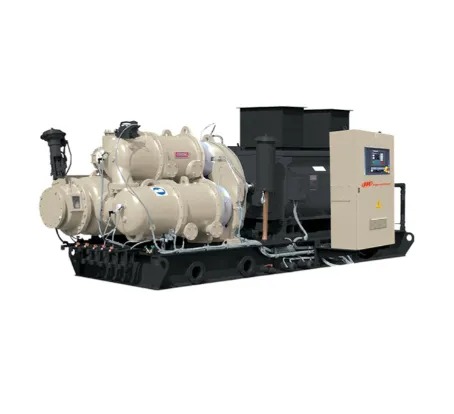
Maximizing the longevity and efficiency of high-performance industrial compressed air solutions through expert maintenance strategies.
Introduction to Centrifugal System Reliability
The centrifugal air compressor stands as the backbone of large-scale industrial operations, providing vast volumes of oil-free compressed air with remarkable efficiency. Unlike positive displacement machines, these dynamic compressors rely on kinetic energy transferred by high-speed impellers. However, the sophisticated nature of this technology means that maintenance is not merely a suggestion—it is a critical requirement for operational survival. At Biaofang, we understand that a well-maintained system directly translates to lower operational costs and reduced downtime. A failure in a large centrifugal system can halt entire production lines, leading to significant financial losses.
In this comprehensive guide, we explore the essential maintenance protocols required to keep your centrifugal air compressor operating at its peak aerodynamic performance. From vibration analysis to cooling water management, understanding the intricacies of your system is the first step toward achieving long-term industrial success. By following a structured maintenance schedule, facility managers can extend the lifespan of their assets while ensuring that the air quality remains consistent with the highest international standards.
Routine Inspection and Monitoring Protocols
Successful maintenance begins with a proactive daily inspection routine. Operators must be trained to recognize the subtle changes in the machine’s behavior that could indicate underlying issues. For a centrifugal air compressor, monitoring vibration levels is perhaps the most vital daily task. High-speed rotation means that even minor imbalances in the impellers can lead to catastrophic mechanical failure. Modern systems integrated with advanced controllers provide real-time data on radial and axial displacement, which should be logged and analyzed for trends.
Beyond vibration, temperature and pressure monitoring are equally critical. Each stage of the compression process generates significant heat, and deviations in interstage temperatures often point toward problems with the cooling system or internal leaks. Checking the oil pressure and temperature ensures that the high-speed bearings are adequately lubricated and cooled. By establishing a baseline of "normal" operating parameters, maintenance teams can identify anomalies before they escalate into expensive repairs. This data-driven approach is the hallmark of professional fleet management in the compressed air industry.
Furthermore, the integrity of the inlet air filtration system cannot be overstated. Because centrifugal impellers operate at such high velocities, even microscopic particulate matter can cause erosive wear over time. Regularly inspecting and replacing inlet filters is a low-cost maintenance action that prevents the degradation of aerodynamic efficiency. A clogged filter increases the pressure drop, forcing the compressor to work harder and consume more energy to achieve the same output, thus undermining the machine's core value proposition.
Lubrication and Cooling System Management
The lubrication system in a centrifugal air compressor does more than just reduce friction; it acts as a primary cooling medium for the high-speed bearings and gears. Using the correct grade of synthetic lubricant is essential. High-quality lubricants are designed to resist oxidation and maintain viscosity even under extreme thermal stress. Regular oil analysis should be performed to check for the presence of water, metal particles, or chemical breakdown. If the oil is contaminated, it loses its ability to protect the precision-engineered components, leading to premature wear and potential seizing of the rotor assembly.
Equally important is the maintenance of the cooling water system. Centrifugal compressors use intercoolers between stages to increase the density of the air for the subsequent compression stage. If these coolers become fouled with scale or biological growth, the heat transfer efficiency drops significantly. This results in higher discharge temperatures and reduced airflow capacity. Facility managers should implement a robust water treatment program to ensure the cooling water meets the manufacturer’s specifications for pH, hardness, and conductivity. Periodic cleaning of the heat exchanger bundles—both on the air side and the water side—is necessary to maintain optimal thermodynamic performance.
Checking for leaks in the lubrication and cooling circuits is a fundamental task. Even a small oil leak can create a hazardous work environment and lead to a drop in system pressure, while a water leak into the air stream can cause moisture-related damage to downstream equipment. Ensuring that all seals, gaskets, and hoses are in good condition is a simple yet effective way to maintain the reliability of the entire system. Biaofang emphasizes that an integrated approach to fluid management is the key to preventing the most common causes of unscheduled compressor downtime.
Aerodynamic Efficiency and Surge Prevention
Aerodynamic performance is what sets the centrifugal air compressor apart. However, these machines are susceptible to a phenomenon known as "surging," which occurs when the flow rate drops below a certain threshold and the compressor can no longer overcome the system back-pressure. Surge events can cause severe mechanical stress due to the rapid reversal of airflow. Maintenance must include the regular testing and calibration of the bypass or blow-off valves. These valves must actuate quickly and accurately to protect the machine during periods of low air demand.
To maintain peak efficiency, the impellers and diffusers should be inspected during major overhaul periods. Over time, coatings may wear or deposits may form on the impeller blades, altering their aerodynamic profile. Restoring these surfaces to their original condition can significantly reduce energy consumption. In many cases, a refurbished centrifugal unit can perform as efficiently as a new one if the internal clearances and surface finishes are meticulously maintained. This focuses on the long-term sustainability of the equipment, ensuring that it continues to deliver value for decades.
Modern control systems play a massive role in surge prevention and efficiency optimization. By utilizing advanced algorithms, controllers can predict and avoid surge conditions while maintaining the highest possible pressure ratio. Ensuring that the sensors providing data to these controllers—such as mass flow meters and pressure transducers—are accurately calibrated is a critical maintenance step. If the sensors provide false data, the protective measures of the compressor may fail to engage, leading to a high risk of mechanical damage.
Why Choose Biaofang for Your Compressed Air Needs
Biaofang has established itself as a premier global supplier of high-quality industrial air solutions. Our expertise spans across multiple technologies, allowing us to provide our customers with the most efficient and reliable equipment for their specific applications. We specialize in the distribution of genuine parts and complete systems, including the world-renowned centrifugal air compressor series, designed for the most demanding industrial environments.
Our competitive advantage lies in our comprehensive product portfolio and our deep commitment to technical support. Whether you require a oil-flooded rotary screw compressor for continuous manufacturing or a specialized reciprocating compressor for high-pressure tasks, Biaofang offers the parts and expertise to keep your operations running smoothly. We also provide oil-free rotary screw air compressors for industries where air purity is non-negotiable, such as pharmaceuticals and food production.
At Biaofang, we don't just sell products; we offer long-term partnerships. Our inventory includes genuine Ingersoll Rand parts, GHH Rand air ends, and advanced controllers, ensuring that every component of your system is of the highest caliber. By choosing Biaofang, you gain access to a wealth of knowledge and a supply chain that prioritizes your uptime and energy efficiency above all else.
Conclusion
Maintaining a high-capacity air system requires diligence, expertise, and the right parts. By implementing these best practices, you can ensure your facility remains productive and energy-efficient for years to come.
Contact Our Experts TodayFrequently Asked Questions
Q1: How often should I perform an oil analysis on my centrifugal air compressor?
Regular oil analysis should be conducted every 2,000 to 4,000 operating hours, depending on the environment and manufacturer recommendations. This helps detect early signs of wear, moisture, or additive depletion, preventing damage to the high-speed bearings within the system.
Q2: What is the most common cause of failure in a centrifugal air compressor?
The most common causes are excessive vibration, lubrication failure, and cooling system fouling. Unchecked vibration can lead to impeller contact with the housing, while poor cooling water quality can cause the machine to overheat and trip, leading to significant downtime.
Q3: Why is inlet air quality so important for a centrifugal air compressor?
Since centrifugal impellers rotate at tens of thousands of RPMs, even small dust particles can cause erosion and imbalance over time. High-quality inlet filtration is necessary to protect the aerodynamic surfaces and maintain the efficiency of the machine.
Q4: How can I prevent surge in my centrifugal air compressor system?
Surge is prevented by maintaining a minimum flow rate through the machine. This is managed by the blow-off or bypass valves, which must be regularly inspected and calibrated to ensure they open correctly when demand drops below the compressor’s surge point.
Q5: Can Biaofang provide spare parts for various centrifugal air compressor brands?
Yes, Biaofang offers a wide range of genuine and high-quality replacement parts for leading brands, including Ingersoll Rand MSG Centac series. We provide everything from coolers and air ends to specialized lubricants and advanced controllers to keep your system in top shape.